Why put someone on a performance improvement plan (PIP)?
The purpose of a PIP is to save an employee, turn them around and fix whatever issues are present. In many cases, a PIP is used as a last resort. Leading up to this meeting, a manager will spend time trying to coach an individual with the hopes that the employee will improve and perform at the level thatβs expected of them. A PIP provides the employee with clearly defined expectations and benchmarks for where they need to be in order to be successful at the end of the process (usually 90 days). If the individual is not successful by the end of the PIP, they will likely be terminated.
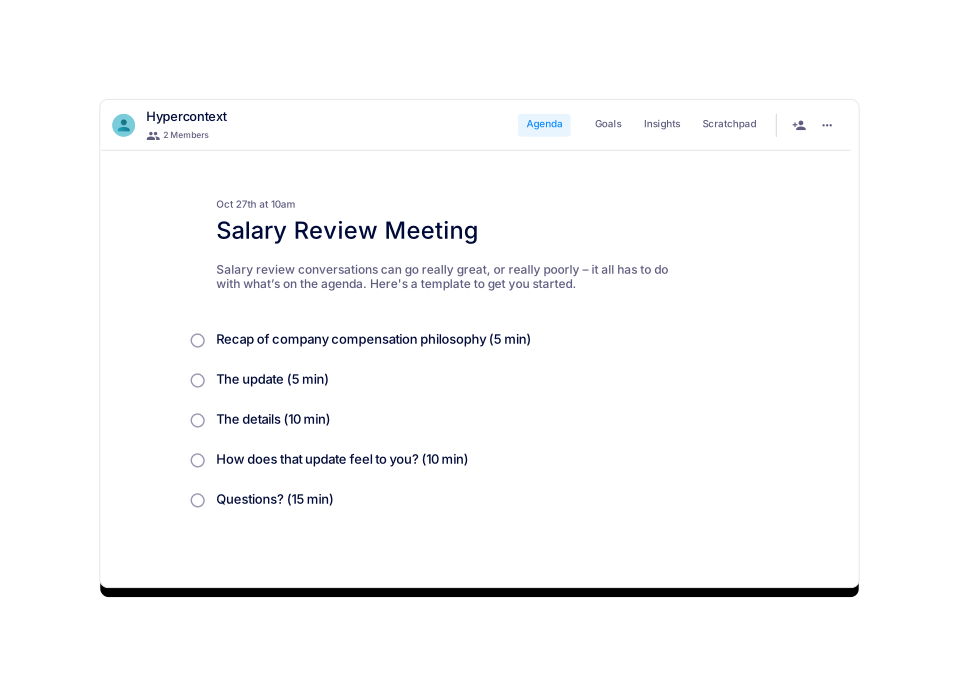
The initial conversation of putting someone on a PIP can be incredibly stressful for both parties. Thatβs why weβve outlined the following agenda, to help you and your direct report get through this difficult conversation together.
Guidelines for putting someone on a PIP
- Donβt put someone on a PIP if youβre going to fire them regardless of if they succeed or not.
- Involve your HR from the start. Theyβre the experts here.
- Document. Document. Document.
- Have very clear goals and expectations of the employee.
- Be your direct reportβs biggest cheerleader. Help them succeed.
- Check in regularly throughout the PIP period.
- Sit down with the employee every week to discuss if theyβre green, yellow, or red. Depending on where they are, continue to coach them to help get them to green.
Performance improvement plan template walk-through:
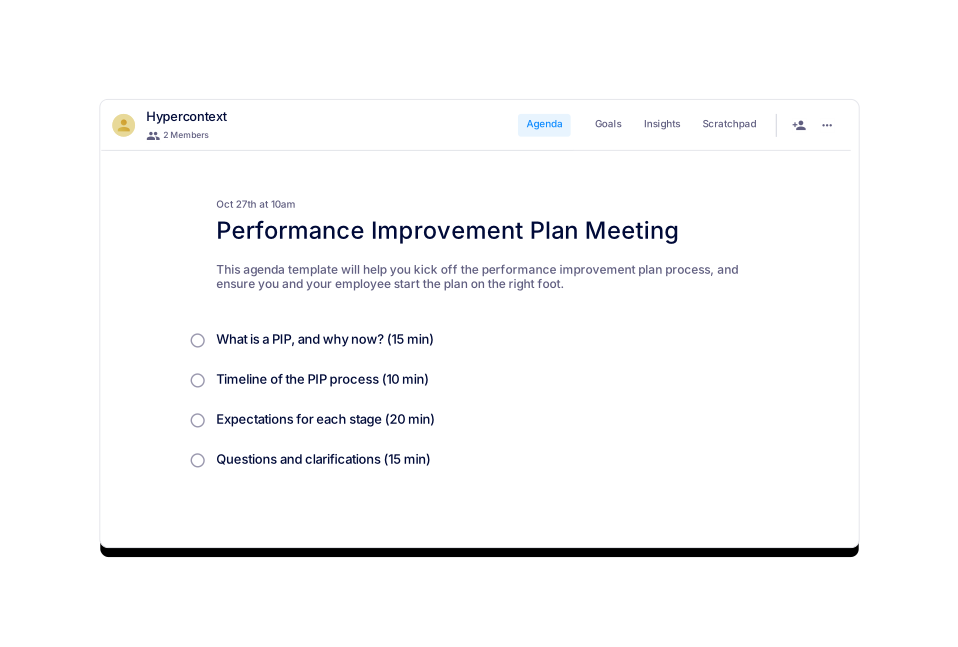
1. What is a PIP and why now? (15 min)
With such a serious conversation, your employee might tune out what youβre saying at the start. They might immediately take it as being let go. Donβt get into the weeds right away. Instead, give them time to process the information, take a step back, and slowly walk them through what a PIP is and why theyβre on it. Things you should clarify and share during this time:
- How a PIP is different than constructive feedback
- Specific incidents or behaviors that have led to the PIP
- Whether or not your direct report understands all of the information theyβve just received
2. Timeline of the PIP process (10 min)
Share the official start and end dates of the PIP. Generally, your HR team will have a specific process and time period for this, 90 days is most common. Explain what will happen if your employee succeeds or fails the PIP process.
Youβll also want to spend time outlining all milestones and check-in points theyβll need to be aware of. This can include:
- 30-60-90 day checks
- Weekly one-on-one check-ins
- Any other check-ins you or your direct report would like
Let your direct report know that youβd like to meet frequently so that youβre both able to increase their chance of succeeding. Donβt forget to make it known that you want them to succeed (and mean it).
3. Expectations for each stage (20 min)
During this time, youβll want to walk through what success (and failure) will look like at the end of the PIP. Be extremely clear so that, in a case that they donβt succeed, they arenβt surprised by the consequences.
Prior to this meeting, write down a list of expectations and why theyβre necessary. While this should still be treated as an open discussion, come with all of your expectations, milestones and ideas written down.
4. Expectations for each stage (20 min)
The PIP process is typically uncomfortable, scary, and difficult for both the manager and the employee. So, itβs important to leave a significant amount of time at the end of this meeting for questions. You donβt want either of you leaving that meeting with a different understanding of whatβs expected of the employee. It might also help to book a follow-up meeting for questions the next day to give your direct report some time to absorb and process all of the information youβve just shared with them.